
Writing:
Ephesians 2:12: «Remember that at that time you were separate from Christ, excluded from citizenship in Israel and foreigners to the covenants of the promise, without hope and without God in the world.»
Supporting verses:
1 Thessalonians 4:13, Romans 5:5, Colossians 1:27
MEDITATION
This fictional scene plays out every day but always surprises.
«"Do you really think there's anything after that?"»
The question was asked without any introduction. We were discussing a completely different topic. Then came silence. Then, the question. In her eyes, I saw a crack in the confidence she usually displayed.
That evening, I realized that behind the lighthearted conversations and laughter, many people carry a heavy question within them. We don't often talk about it, but it's always there.
In the continuation of the second chapter of Paul's letter to the Ephesians, we find another description of humanity without Christ. He reminds believers what they were like before Christ, and he does so in clear and decisive terms. What he describes is the condition of every person who does not know the Savior.
«Remember that at that time you were without Christ.»
Remembering is essential. We too easily forget where God brought us from, and this forgetfulness sometimes fuels contempt for those we are called to love. To be without Christ is to be without a Savior, without a mediator, without access to the Father. Jesus was clear: He is the way, the truth, and the life, and no one comes to the Father apart from Him. There are no shortcuts, no alternatives.
«"Deprived of citizenship in Israel."»
The Greek term evokes alienation, exclusion, lack of status, lack of belonging. We know what it's like for those who find themselves undocumented in a foreign country. Physically present, but without rights, without protection, exposed to exploitation. The pagans lived this way spiritually: outside the people of God, without the privileges linked to his covenant.
«"Strangers to the alliances of promise."»
They had no share in the promises made to Abraham, Moses, and David. They were excluded from the promise of redemption, from the assurance of God's presence, from the hope passed down from generation to generation. They lived outside the circle of revealed grace.
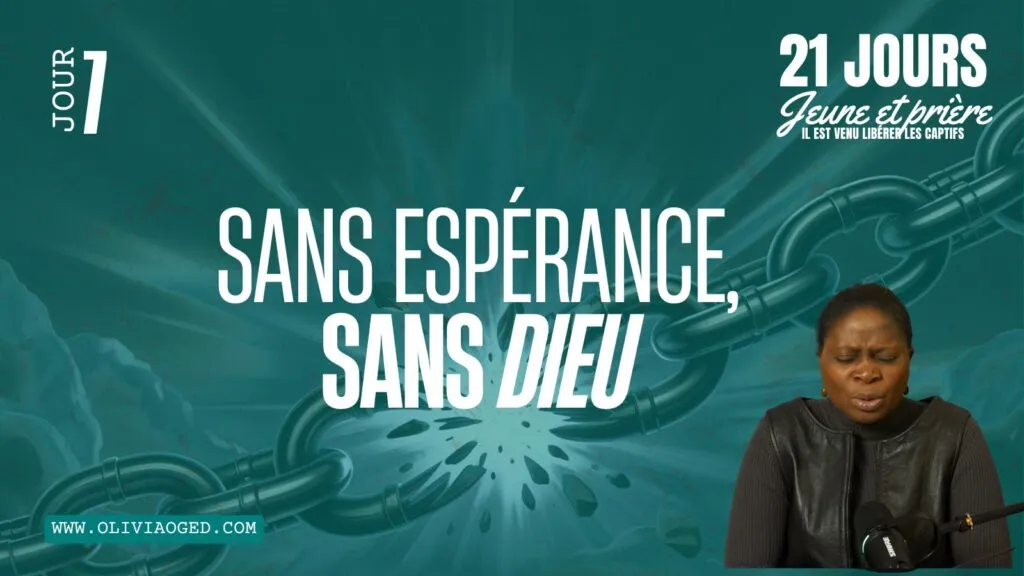
Paul then adds two expressions that sum it all up: "without hope" and "without God".
Without hope, It is living without confident expectations of a good future. It is to look upon death without consolation. Paul will tell the Thessalonians that they should not grieve over death «like the rest of mankind, who have no hope» (1 Thessalonians 4:13). Those others are the ones.
And they were "without God." The Greek word is the origin of our word "atheist." Yet Ephesus was filled with temples. Artemis was worshipped fervently, and Paul nearly lost his life there before a crowd that proclaimed her greatness. But despite the abundance of deities, they did not know the one true God.
Two famous atheists were discussing their success in the West in their critiques of the Christian faith. They lamented that if people no longer believe in God, they have replaced that faith with many absurd beliefs. They have become godless while embracing strange deities and practices. The Ephesians were cut off from the Creator, living in the world He made, but without knowing Him.
What this week revealed
Each day this week, we have meditated on this portrait of the man without Christ. He has sinned and is deprived of God's glory. He is therefore spiritually dead. He lives under Satan's dominion, unknowingly. He is described as being by nature a child of wrath, blinded by Satan so that he cannot see the glory of Christ. Even his best deeds are defiling before God. Ultimately, he is described as being without hope and without God.
In short, he is a dead man, a slave, blind, defiled, without hope, without God. But as mentioned before, this is not the end of the story. Hope is real.
Paul continues:
«But now in Christ Jesus you who once were far off have been brought near by the blood of Christ.» (Ephesians 2:13)
Their situation was radically changed in Christ. The distance between them and God was abolished, and hope was given. The same is true for us. If we have passed from death to life, it is because someone proclaimed the Gospel to us.
And even today, this grace is available. Jesus simply asks that someone go and tell them this good news. Will you do it?
PRAYER
- Father, I remember where you brought me from. I was without Christ, without hope, without you.
- Forgive me when I forget and when this forgetfulness makes me contemptuous of those whom you call me to love.
- This week has opened my eyes to their true condition. May it not leave me indifferent. Dead, captive, blind, without hope, without You. My heart is broken. I cannot remain silent knowing what I know. During this fast, transform this knowledge into action. Make me a bearer of hope. Use me to proclaim the good news to those who have none.
- I don't want to treat the lost as if they're all right. They are without hope and without you. Give me ears to hear their questions—even the ones they don't dare ask. And give me the words to tell them that there is hope.
- You ask that someone go and tell them the good news. Here I am. Send me. In Jesus' name, amen.
QUESTIONS FOR REFLECTION
- Have I forgotten where God brought me from? Does this forgetfulness affect my view of the lost?
- How has this week changed my understanding of the plight of the lost?
- Now that I know this reality, how will I live differently?



 English (UK)
  Français
You must be logged in to post a comment.